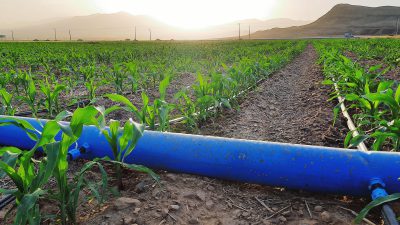

Layflat hoses are unique products from Vispar, designed to reduce costs and expedite the implementation of irrigation projects. These flexible hoses are made of PVC (Polyvinyl Chloride) and reinforced with polyester fibers.
With their high quality, ability to withstand various pressures, and availability in different sizes, Layflat hoses serve as an excellent alternative to polyethylene pipes and offer a wide range of applications. By following a few key maintenance tips, you can significantly extend the lifespan of these hoses, ensuring years of reliable use:
1.Handle with Care; During transportation or when using tools and machinery, be careful not to impact the Layflat hoses, as this can cause tears or punctures.
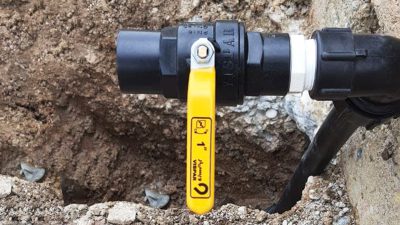
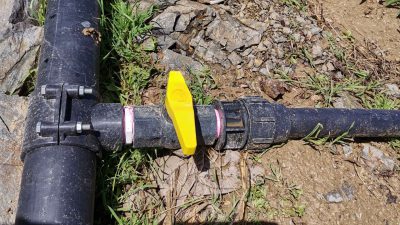
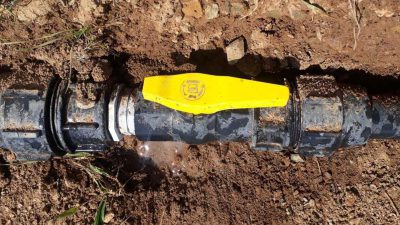
2. Use Appropriate Connectors; When deploying Layflat hoses, always use the specifically designed connectors. These are engineered to ensure a proper seal at the connection points, preventing leaks.
3. Use the Correct Puncher; For installing drip irrigation fittings, it is crucial to use a punch tool specifically designed for Layflat hoses. Be precise when punching holes; oversized holes can compromise the seal of the fittings.
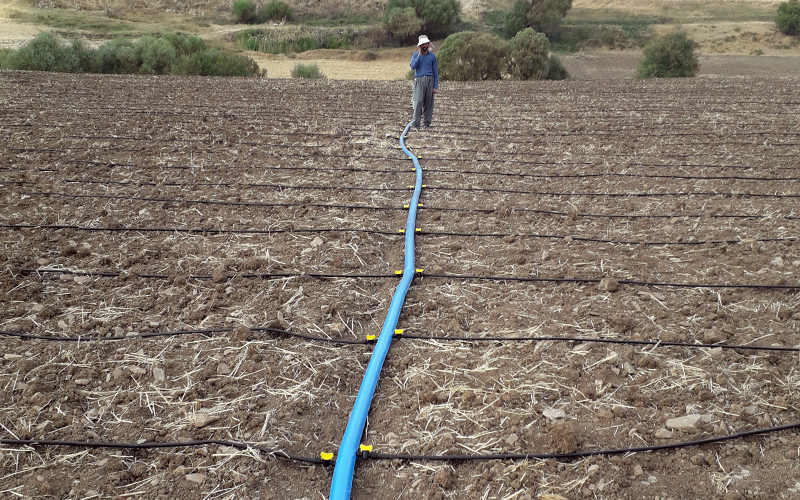
4. Surface Laying; Layflat hoses should not be buried underground. They must be laid directly on the agricultural surface.
5. Proper End Capping; Never tie the ends of Layflat hoses into a knot. To securely close the end of the hose, use an end cap or a Vispar end clamp.
6. Thorough Cleaning; At the end of the season, after harvesting, thoroughly wash the Layflat hoses before storing them to remove any dirt and debris. Use lukewarm water for cleaning, as hot or very cold water can damage the hoses.
7. Complete Drying; After washing, ensure that all water and liquids are completely drained from the hoses. They must be thoroughly dry before storage.
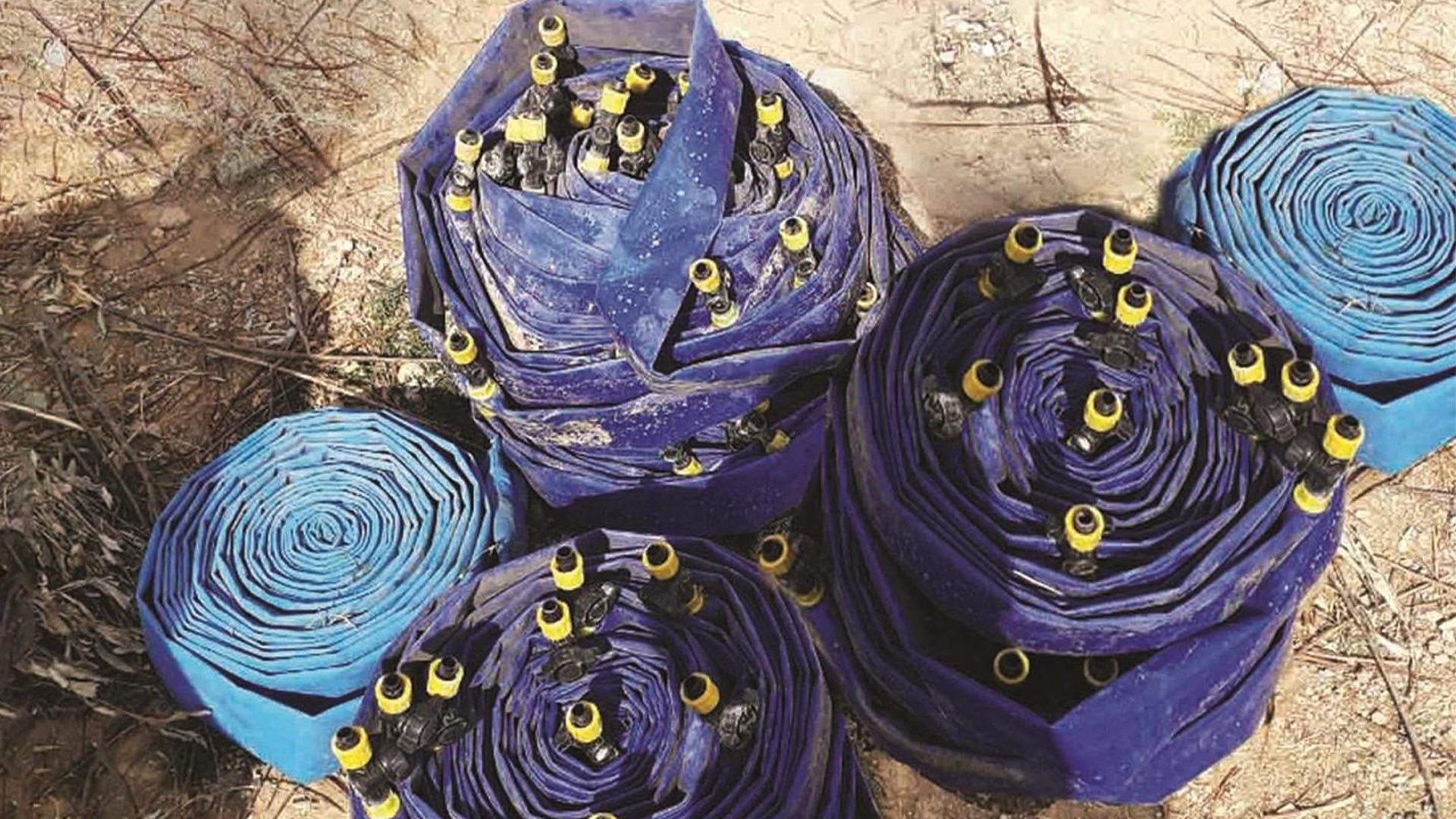
8. Coiling and Rolling; To collect the hoses, fold them along the existing lay lines and roll them into a circular shape. Rolling not only prevents deformation and damage but also minimizes storage space requirements.
9. Optimal Storage Conditions; Store the rolled hoses in a cool, dry, covered location, protected from direct sunlight and rain. Moisture from rain can lead to rust and degradation over time.