
Layflat hoses have become essential components in modern irrigation systems and long‑distance water transfer projects. Designed to deliver water efficiently under pressure, these hoses play a key role in agricultural irrigation networks where flexibility, ease of installation, and cost‑effective transportation are critical. Their ability to be laid flat when not in use makes them especially suitable for seasonal irrigation and large‑scale water conveyance over long distances.
Although PVC and PE layflat hoses differ in material composition, both are specifically engineered for pressurized irrigation systems and long‑distance water transfer. This article explores the advantages, applications, and key considerations involved in selecting layflat hoses for irrigation and water conveyance purposes.
What are PVC and PE Layflat Hoses?
Layflat hoses—sometimes referred to as hydroflex or hydroflume hoses—are flexible, collapsible pipes made from either polyvinyl chloride (PVC) or polyethylene (PE). To enhance durability and pressure resistance, they are typically reinforced with high‑strength polyester yarn.
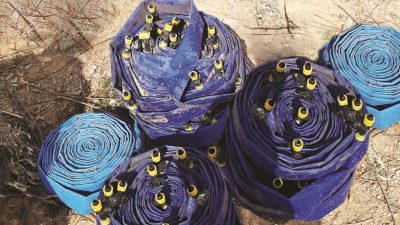
Unlike rigid piping systems, layflat hoses can be rolled up when not in use, making them easy to transport, store, and deploy. Functionally, they perform the same role as conventional irrigation pipes, but offer greater convenience and adaptability.
The Importance of PVC Layflat Hoses in Modern Agriculture
Efficient water management has become one of the most critical challenges in agriculture today. To optimize water usage and improve crop yields, farmers increasingly rely on equipment such as PVC and PE layflat hoses.
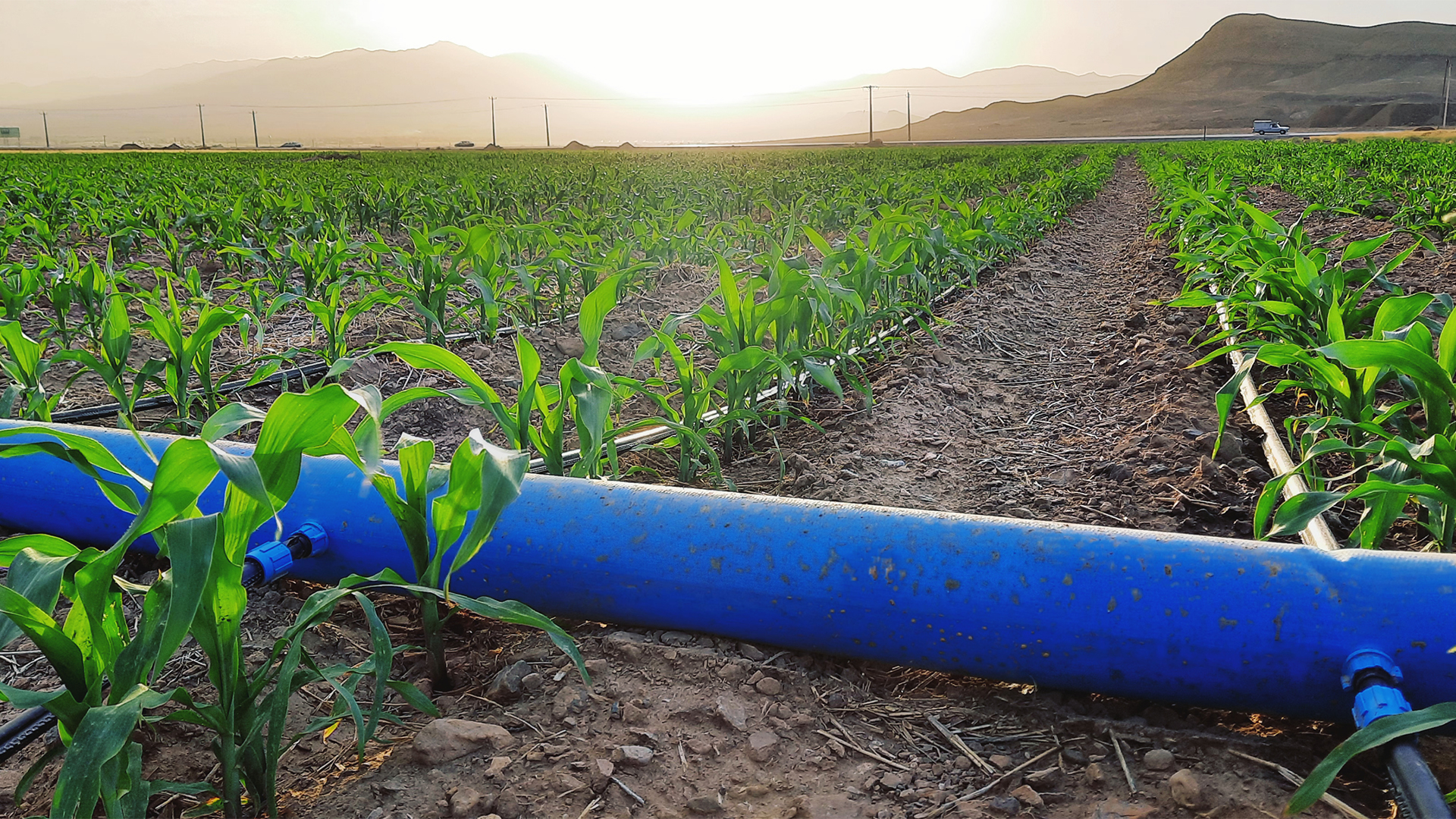
- One of the key advantages of PE layflat hoses is their lightweight and flexible design, which allows for quick installation and easy relocation across farms and agricultural fields. This flexibility not only reduces labor effort but also speeds up irrigation setup and seasonal adjustments.
- PVC layflat hoses, in particular, demonstrate high resistance to temperature fluctuations, internal pressure, and environmental factors such as UV exposure. This durability translates into a longer service life, fewer replacements, and lower maintenance costs for farmers.
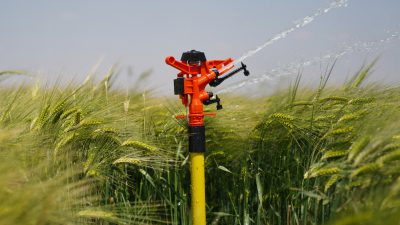
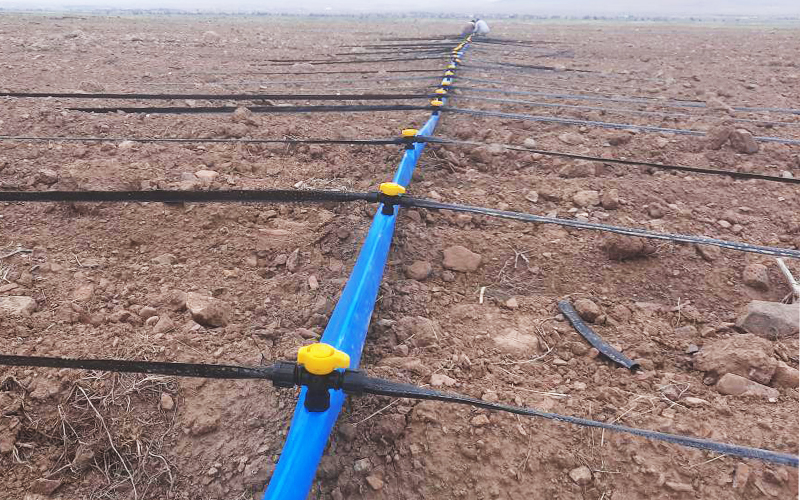
- Another major benefit of PE layflat hoses is their compatibility with various irrigation systems, including drip and sprinkler systems.
- In arid and semi‑arid regions where water conservation is essential, these hoses play a crucial role in minimizing water loss and improving distribution efficiency.
PVC and PE Layflat Hoses vs. Traditional Metal Pipes
In modern agriculture, PVC and PE layflat hoses have emerged as the preferred choice over traditional metal pipes. This preference is driven by both their functional versatility and economic advantages. The widespread adoption of PVC and PE layflat hoses in farming is attributed to several key factors:
| Feature | PVC/PE Layflat Hose | Traditional Metal Pipe |
| Ease of Handling | Lightweight and easy to handle; simple and convenient transportation. | Heavy and cumbersome; difficult to move and install. |
| Environmental Resistance | High resistance to UV radiation and extreme temperatures. | High susceptibility to rust and corrosion. |
| Cost | Cost-effective and generally less expensive. | Higher installation and maintenance costs. |
| Flexibility | Flexible design with fast, easy installation. | Requires welding and complex connection systems. |
| Application in Irrigation Systems | Suitable for farmers to enable optimized, efficient water usage management. | Primarily used for water transfer at large-scale, industrial applications. |
- Lightweight and Flexible: Weighing approximately 25kg for a 100m, 2-inch hose, layflat hoses are considerably lighter than their polyethylene counterparts (around 50kg for the same size). This light weight, combined with their flexibility, makes them easy to transport and position. Once filled with water, they conform readily to the terrain.
- Space-Saving Storage and Transport: A 100m, 2-inch polyethylene pipe requires about 4 square meters of storage space, whereas the same length of layflat hose needs only 0.028 square meters. This dramatically reduces logistical challenges.
- Reusable and Repairable: Layflat hoses are designed for multiple uses. They can be easily collected and redeployed. While susceptible to punctures from sharp objects or machinery, small tears can often be repaired, and larger ones can be mended, extending the lifespan of the hose.
- High Pressure and Impact Resistance: The integrated polyester fibers within the layflat hose construction allow it to withstand significant internal pressure. This same structure, along with the flexible material, provides excellent resistance to physical impact and the damaging effects of water hammer.
- UV and Weather Resistance: Formulated with anti-UV additives, these hoses exhibit strong resistance to sunlight and UV radiation, significantly prolonging their service life compared to standard polymer products.
- Chemical Inertness: The PVC polymer used is resistant to a wide range of chemicals and agricultural toxins, preventing contamination and degradation.
- Environmental Friendliness: Unlike polyethylene pipes, which degrade into environmentally harmful microplastics, layflat hoses do not break down into harmful residues. They can be recycled at the end of their useful life, minimizing environmental impact.
Storage and Maintenance of PVC Layflat Hoses
Proper storage and maintenance of PVC and PE layflat hoses are essential to minimize premature wear and reduce the risk of early aging. By following the right storage and handling practices, you can significantly extend the hoses’ service life.
Since PVC and PE layflat hoses are commonly used in irrigation systems and water-transfer applications, storage conditions should be carefully controlled. Key factors include the storage location, how the hoses are arranged (stacking/placement), storage temperature, ambient humidity, protection from physical damage, any applicable expiration date, and regular inspections.
| Dimensions | Description |
| Storage location | Store in a dry, well-ventilated area away from direct sunlight. Keep PVC and PE layflat hoses inside sealed boxes or under protective covers. |
| Hose arrangement | Arrange the hoses horizontally in neat rows, without applying additional pressure on top of one another. |
| Storage temperature | Store the hoses at a temperature between 10 and 25°C to prevent brittleness. |
| Ambient humidity | Keep the hoses in dry conditions with no exposure to moisture to prevent contact with water or liquids. |
| Protection against damage | Use suitable protection such as foam strips or plastic coverings. |
The advantages outlined above have contributed to the growing global popularity of layflat hoses, and today they are produced in multiple varieties and applied across a wide range of fields. Whenever rapid and dependable water transfer is required, layflat hoses are often the first choice. Their relatively low cost and the possibility of reuse have encouraged agricultural users worldwide to replace conventional polyethylene options with layflat hoses.
Finally, understanding layflat hoses and layflat fittings is essential to ensure correct installation, performance, and long-term efficiency.